Top Condominium Property Management Companies, What Condo Boards Should Look For Before Signing
January 18, 2026


This guide will help condo boards and HOA board members understand what to look for in a property management partner, covering key evaluation areas and offering a checklist for comparison.
Understanding Condominium Property Management Companies
What Do Condominium Property Management Companies Do?
Condominium property management companies play a pivotal role in the smooth functioning of condo communities. Their services encompass a broad spectrum of responsibilities designed to maintain and enhance the living experience for residents. These companies typically handle everything from financial management and maintenance to resident communication and legal compliance. By providing these essential services, property management companies allow condo boards to focus on strategic decisions that will benefit the entire community. In the realm of condo association management, property management firms act as an intermediary between the condo board and the residents, ensuring that all parties are satisfied with the living conditions and that rules and regulations are adhered to. This management layer is crucial for maintaining harmony within the community and for executing the board's directives efficiently and effectively. For more information on the role of condo association management, resources like FirstService Residential provide an in-depth look at these services. The importance of community association management cannot be overstated. These managers ensure that the community operates smoothly, and they are instrumental in fostering a sense of community and belonging among residents. They handle disputes, manage community events, and oversee the implementation of community policies. This ensures that the living environment remains positive and that the property retains its value over time. Explore a list of some of the top companies in this field at Inven.Key Responsibilities
The cornerstone of any property management company’s responsibilities is financial management and oversight. This includes budgeting, expense tracking, and financial reporting. Effective financial management ensures that the community’s finances are healthy and that there is adequate funding for future needs. Companies like RealManage offer comprehensive financial services to manage community finances efficiently. Vendor management and maintenance coordination are other critical areas that condominium property management companies handle. They are responsible for selecting and managing vendors, ensuring that maintenance tasks are completed promptly and efficiently. This includes everything from landscaping and pool maintenance to building repairs and security services. Regular assessments of vendor performance and cost efficiency are conducted to ensure that the community receives the best services at competitive prices. Resident communication and rule enforcement are equally important responsibilities. Management companies use various communication tools and platforms to keep residents informed and engaged. They handle resident inquiries, distribute newsletters, and ensure that community rules are followed. This not only keeps residents happy and informed but also helps in maintaining the community’s standards and appearance. For insights on how to improve communication and task management in property management, check out our guide on How Checklists Can Systematize Your Business. In conclusion, understanding the breadth and depth of services provided by condominium property management companies is crucial for condo boards seeking to select the right partner. By evaluating these services and responsibilities, board members can make informed decisions that will benefit their communities in the long term. To further explore the specifics of property management and the tools that can enhance these operations, visit our property management use case page.Evaluating Financial Oversight and Management
Importance of Robust Financial Management
Effective financial oversight is the backbone of successful condominium property management. A property management company's ability to manage finances with precision is crucial for the long-term health of any condo community. This involves meticulous budgeting and financial planning, ensuring that all expenditures are accounted for and that there are no fiscal surprises. Proper budgeting allows the management to allocate resources efficiently and prepare for unforeseen expenses, which can be pivotal in maintaining community satisfaction and property value. Companies like RealManage exemplify how structured financial management can enhance community operations. Reserve planning is another critical component. It’s about setting aside funds for future large-scale projects or unexpected repairs. This not only ensures that the community remains financially stable but also guarantees that property value is maintained or even increased over time. Without adequate reserve planning, communities may face financial strain, leading to increased dues or special assessments, which can be a significant burden for residents. Transparency in financial reporting is essential for building trust between the property management company and the condo board. Regular, detailed financial statements should be made available to the board, highlighting all income, expenses, and any variances from the budget. This transparency not only fosters trust but also allows for informed decision-making. A robust financial management process can be further streamlined using tools and checklists, as discussed in our Best Property Management Software Ultimate Guide 2025.Questions to Ask About Financial Oversight
When evaluating a property management company, condo boards should ask pointed questions to ensure they are entrusting their community’s finances to capable hands. First, inquire about how the company handles financial reporting. Do they provide regular, detailed reports? Are these reports easily understandable and accessible to all board members? Understanding the reporting process can provide insight into the company’s operational transparency and efficiency. It’s also essential to understand the systems in place for reserve fund management. How does the company plan for major repairs or replacements? Are they proactive in their approach, or do they react to issues as they arise? A proactive approach to reserve fund management can save the community from financial strain and maintain property value over time. Lastly, ask for references that attest to the company's success in financial management. Speaking with other condo boards that have worked with the management company can provide valuable insights into their capabilities and reliability. This due diligence is crucial in selecting a partner that aligns with your financial oversight expectations. For a comprehensive list of property management companies and their offerings, consider exploring directories such as HOA-USA and HOAPulse. Additionally, HOA Management offers a directory of companies that specialize in HOA and condo management. In conclusion, robust financial oversight is a vital component of successful condominium property management. By focusing on budgeting, reserve planning, and transparency, condo boards can ensure they select a management partner that will safeguard their community’s financial health. For more on property management processes, consider visiting our property management use case page and learn how to systematize your real estate business with checklists.Maintenance Coordination and Vendor Management
Efficient Maintenance Coordination
Maintenance coordination is a critical aspect of condominium property management, ensuring that the property remains in excellent condition and that residents enjoy a comfortable living environment. Effective coordination involves implementing both proactive and reactive maintenance strategies. Proactive strategies include scheduled regular inspections and upkeep, such as seasonal maintenance tasks or routine checks of essential systems like HVAC and plumbing. This not only prevents major issues from arising but also extends the lifespan of property assets. Reactive maintenance, on the other hand, involves addressing unexpected repairs and maintenance requests swiftly. Timely responses to maintenance issues are vital to maintaining resident satisfaction and property value. Utilizing a [Property Management Preventive Maintenance Checklist](https://www.manifest.ly/blog/property-management-preventive-maintenance-checklist) can streamline these processes, ensuring no critical tasks are overlooked and that maintenance is handled efficiently. Successful maintenance coordination also requires seamless collaboration between property managers and vendors or contractors. Building a reliable network of vendors and ensuring clear communication lines can significantly enhance the quality and speed of maintenance work. Companies like [RealManage](https://realmanage.com/community-type/condominium-management-services/) exemplify how structured vendor coordination can lead to successful community management.Evaluating Vendor Management
Vendor management is another cornerstone of effective condominium property management. Condo boards must ensure that the management company has a robust system for selecting and evaluating vendors. The criteria for selecting vendors should include factors such as experience, reliability, cost-effectiveness, and the ability to deliver quality services on time. It's essential to work with vendors who understand the specific needs of the condominium community and can adhere to its standards. Regular assessment of vendor performance is crucial in maintaining high-quality service delivery. This involves periodic reviews of vendor work, ensuring they meet the expected standards and deliver value for money. It is also important for management companies to engage in regular contract negotiations to secure favorable terms that align with the community’s financial goals. Cost efficiency can be enhanced by negotiating bulk or long-term contracts, which often come with discounts or additional benefits. Additionally, leveraging [vendor performance evaluation checklists](https://app.manifest.ly/public/checklists/property-management/vendor-performance-evaluation-checklist) can help streamline this process, providing a structured approach to assessing vendor contributions and identifying areas for improvement. For more insights into the intricacies of vendor management and how to optimize these relationships, [HOA Management](https://www.hoamanagement.com/) offers a comprehensive directory of companies that specialize in these services. Moreover, using tools like [Manifestly Checklists](https://manifest.ly/blog/how-checklists-can-systematize-your-business/) can further enhance operational efficiency by organizing tasks and improving communication within the property management team. In conclusion, effective maintenance coordination and vendor management are pivotal for the sustained success of a condominium community. By implementing strategic maintenance practices and robust vendor management processes, condo boards can ensure their communities are well-maintained, cost-effective, and provide a high quality of living for residents.Effective Resident Communication and Support
Communication Tools and Platforms
In the modern condominium community, leveraging digital tools for communication is vital to ensure transparency and engagement among residents. Management companies should utilize a comprehensive suite of digital communication platforms, such as email newsletters, community portals, and mobile apps, to keep residents informed and connected. These platforms facilitate the distribution of regular updates, announcements, and newsletters, ensuring that everyone is aware of community events, maintenance schedules, and any changes in policies. For instance, a well-organized [tenant communication checklist](https://app.manifest.ly/public/checklists/property-management/tenant-communication-checklist) can streamline the process of keeping residents informed. Handling resident inquiries and concerns efficiently is another critical aspect of resident communication. A responsive system for addressing resident queries not only enhances satisfaction but also builds trust within the community. Implementing a robust system for tracking and resolving inquiries can significantly improve the overall living experience. Utilizing [Manifestly's comment and mention feature](https://www.manifest.ly/features/communicate-comments-mentions) can greatly enhance communication efficiency by allowing real-time interactions and updates on resident concerns.Board Member Support and Involvement
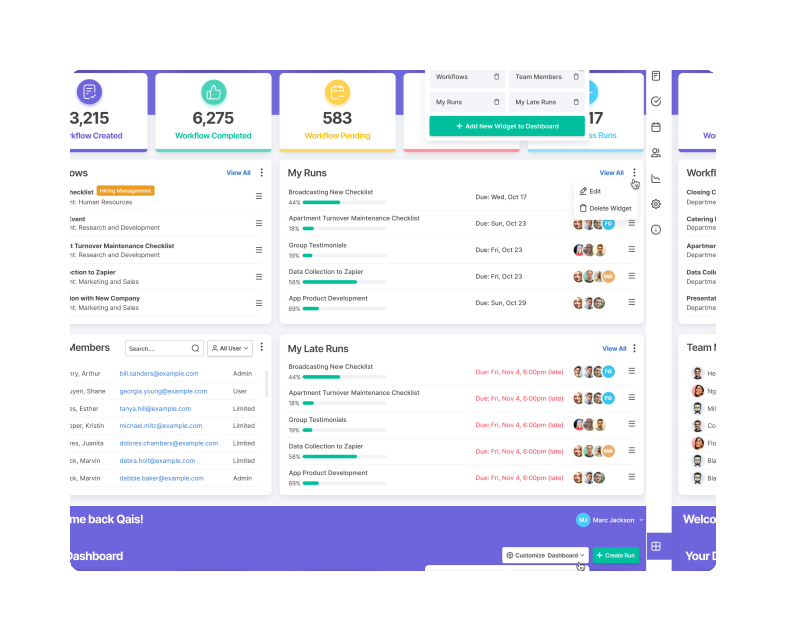
Condo boards play a crucial role in the governance and strategic direction of the community. Therefore, providing them with adequate training and resources is essential for effective management. Regular training sessions and access to resources can empower board members to make informed decisions that align with the community’s best interests. For instance, exploring resources like [RealManage](https://realmanage.com/community-type/condominium-management-services/) can offer insights into best practices for board governance. Regular meetings and feedback sessions are key to fostering a collaborative environment between the property management company and the condo board. These sessions should be structured to allow for open dialogue, feedback, and strategic planning. By addressing concerns and discussing future projects, both parties can ensure that the community’s needs are met efficiently. Using a [property management staff onboarding checklist](https://app.manifest.ly/public/checklists/property-management/property-management-staff-onboarding-checklist) can help streamline the onboarding of new board members and ensure they are well-equipped to contribute effectively. Engaging the community effectively is another vital component of board member support. Strategies for engagement might include organizing community events, conducting surveys to gather resident feedback, or implementing community-building initiatives. These efforts not only enhance community spirit but also ensure that the board’s actions reflect the desires and needs of the residents. Tools like [Manifestly's customizable dashboards](https://www.manifest.ly/features/track-customizable-dashboards) can aid in tracking community engagement metrics and assessing the success of various initiatives. In summary, effective resident communication and support are foundational elements of successful condominium management. By utilizing digital communication platforms, ensuring board member involvement, and actively engaging the community, management companies can foster a harmonious living environment. For a comprehensive overview of property management responsibilities and the necessary tools to enhance these operations, visit [Manifestly's property management use case page](https://www.manifest.ly/use-cases/property-management/). To explore a range of workflow templates specific to property management, consider visiting [Manifestly's property management checklist templates](https://app.manifest.ly/templates/checklists/tag/property-management).Local Coverage and Knowledge
Benefits of Local HOA Management Companies
Local HOA management companies play a crucial role in the effective management of condominium properties by offering a deep understanding of regional regulations and laws. These companies are well-versed in local zoning laws, property tax regulations, and community-specific guidelines, ensuring that all management activities are compliant with legal standards. This local expertise can be invaluable for condo boards, as it helps in mitigating legal risks and avoiding costly fines or legal battles. Another notable advantage of local management firms is their strong connections with local vendors and service providers. These relationships enable them to secure favorable terms and prompt service for maintenance and repair tasks, which can be crucial for maintaining the quality and value of the property. By leveraging these connections, local companies can offer more competitive pricing and faster response times compared to larger national firms, which may not have the same level of local network or influence. Personalized service and community focus are hallmarks of local HOA management companies. These companies tend to have a more intimate knowledge of the community dynamics and resident preferences, allowing them to tailor their services to better meet the unique needs of each community. This approach helps in fostering a sense of community and ensuring that residents feel valued and heard. Organizations like Sentry Management exemplify how local expertise can enhance community management.Comparing National, Regional, and Local Companies
When selecting a property management company, condo boards often weigh the pros and cons of large national firms against those of regional and local companies. Large national firms offer extensive resources, standardized processes, and a wide range of services, which can be beneficial for larger communities or those seeking a comprehensive management solution. However, these firms may lack the personalized touch and local expertise that smaller, local companies can provide. Regional specialists strike a balance between the scale of national firms and the intimacy of local managers. They often have a broader understanding of regional trends and regulations while still maintaining some level of personalized service. This makes them a viable option for communities looking for a middle ground. Companies like Castle Group offer region-specific management solutions that blend local expertise with broader industry knowledge. On the other hand, local boutique managers offer unique offerings that cater specifically to the needs and preferences of their community. Their deep-rooted connections within the community allow them to provide highly customized services, which can be a significant advantage for condo boards seeking a more tailored approach. For a comprehensive directory of property management companies, both large and small, consider visiting HOA-USA and HOAPulse. In conclusion, the choice between national, regional, and local property management companies depends on the specific needs and priorities of your condo community. While national firms offer breadth and resources, local companies provide a level of personalized service and local knowledge that can be invaluable. For more insights into the benefits of local management and how to systematize your real estate business, explore our article on systematizing your real estate business with checklists.Creating a Comparison Checklist
Essential Elements of a Management Proposal
When evaluating condominium property management companies, it's crucial for condo boards to thoroughly review the management proposals. A comprehensive proposal should include a detailed scope of services that outlines exactly what the company will manage. This can range from financial oversight and maintenance coordination to enforcing community rules and providing resident support. Understanding these services helps ensure the company aligns with your community's needs and expectations. For a deeper understanding, exploring the range of services offered by management companies can be insightful. The proposal should also present a clear pricing structure. This includes not only the fees but any potential additional charges for services outside the standard contract. Transparency in pricing helps avoid unexpected costs and allows for better budget planning. To gain insights into how companies structure their pricing and services, consider this resource on property management pricing. Finally, references and case studies are invaluable. They provide a glimpse into the company's past performance and reliability. Reaching out to other condo boards who have worked with the company can offer unbiased feedback on their experiences. Case studies can highlight the company's ability to handle challenges and deliver on promises, which is critical for making an informed decision.Checklist for Comparing Management Companies
Creating a checklist when comparing property management companies facilitates a structured evaluation process. Key factors to consider include financial stability and transparency. A company’s financial health is crucial; look for audited financial statements and inquire about their reserve fund management strategies. For guidance on financial oversight, explore our property management software guide. Reputation and customer feedback are also critical components of this checklist. Research online reviews, ask for client testimonials, and verify the company's standing with industry associations. Directories like HOA-USA and HOAPulse can provide lists of reputable companies and customer reviews. Another important aspect is the technology and communication tools a company employs. In today’s digital age, efficient communication platforms are vital for resident engagement and management operations. Companies should offer robust digital tools for reporting, maintenance requests, and resident communications. Our article on systematizing your real estate business with checklists provides insight into leveraging technology for operational efficiency. Furthermore, ensure the company has a history of effective use of technology to improve its services. This includes using property management software for streamlined operations and enhanced communication capabilities. For a comprehensive list of tools that can enhance property management, you might find our property management use case page helpful. In conclusion, a well-rounded comparison checklist is essential for condo boards to make informed decisions. By focusing on the key elements of a management proposal and evaluating management companies based on financial stability, reputation, and technology, boards can select a partner that aligns with their community's needs. For further resources and workflow templates specific to property management, explore our comprehensive template library.Frequently Asked Questions (FAQ)
How do I assess a management company's financial health?
Evaluating the financial health of a condominium property management company is essential for ensuring the stability and success of your community's operations. One of the first steps is to look for audited financial statements. These documents provide a transparent view of the company's financial standing, offering insights into their revenue streams, liabilities, and overall financial performance. This transparency is crucial for building trust with the condo board. Additionally, requesting references and success stories from other condo boards that have worked with the management company can offer valuable insights. These testimonials can highlight the company's track record in managing finances effectively and maintaining community satisfaction. Engaging in conversations with previous clients can provide firsthand accounts of the company's reliability and financial acumen, helping you make an informed decision. For more detailed guidance on evaluating property management companies, consider exploring directories such as HOA-USA and HOAPulse, which offer comprehensive lists of companies along with client reviews. Additionally, our Best Property Management Software Ultimate Guide 2025 provides insights into technology solutions that can assist in financial oversight.What should be included in a management proposal?
When reviewing a management proposal from a condominium property management company, there are several key elements to consider to ensure it meets your community's needs. First, the proposal should clearly outline the scope of services. This includes detailed descriptions of the services the company will provide, such as financial management, maintenance coordination, and resident communication. Understanding the scope helps condo boards ensure that the management company can fulfill their community's specific requirements. Additionally, the proposal should include a clear pricing structure. Transparency in pricing is crucial to avoid unexpected costs and to facilitate effective budget planning. The proposal should detail not only the standard fees but also any potential additional charges for services outside the standard contract. References and case studies are also vital components of a management proposal. They offer a glimpse into the company's past performance and reliability. By reviewing case studies, condo boards can assess how the company has handled challenges and delivered results in similar communities. For tips on crafting a compelling proposal, explore our guide on How to Write a Proposal in 2023. Moreover, an overview of the company's experience and capabilities should be included. This section provides insights into the company's history, expertise, and the qualifications of its team members. For a comprehensive understanding of what a top management company offers, visit FirstService Residential. By focusing on these essential elements, condo boards can make informed decisions when selecting a property management partner that aligns with their community's needs. To explore more on property management and how to enhance these operations, visit our workflow templates specific to property management.Why Choose Manifestly?
Harness the Power of Manifestly Checklists
When it comes to streamlining condominium property management, Manifestly offers an unparalleled solution with its customizable checklists. These checklists are designed to help property managers efficiently organize and execute tasks, ensuring nothing falls through the cracks. By implementing Manifestly's checklists, you can significantly enhance your operational efficiency, reduce errors, and ensure consistency across all management tasks. Whether it's scheduling routine maintenance or managing vendor contracts, our platform empowers you to create detailed workflows tailored to your community's unique needs. To see how Manifestly can transform your property management operations, schedule a personalized demo today. Moreover, Manifestly's checklists are not just about task tracking—they are about improving communication and task management within your team. Through features like comments and mentions, property management teams can communicate in real-time, keeping everyone informed and aligned. This boosts transparency and accountability, which are critical elements in maintaining a harmonious condominium community. By leveraging Manifestly, you can ensure that all team members are on the same page, which is crucial for the smooth operation of any property management company.Support and Resources
At Manifestly, we understand that adopting new technology can be challenging, which is why we provide robust support and resources to help you every step of the way. Our comprehensive help center is an extensive resource that provides all the information you need to get started and make the most of our platform. Whether you need help setting up your first checklist or have questions about advanced features like workflow automations, our help center has you covered. Additionally, we offer ongoing support and training to ensure that your team is fully equipped to utilize all the features Manifestly offers. Our support team is always ready to assist you with any queries, ensuring a smooth transition and continued success with our platform. This commitment to customer support is part of what makes Manifestly a trusted partner for property management companies looking to optimize their operations. For property management professionals looking to integrate technology effectively, exploring our workflow templates specific to Property Management can provide valuable insights and ready-to-use solutions. Additionally, you can watch our informative video on to understand how Manifestly can handle recurring tasks efficiently. Choosing Manifestly means choosing a partner committed to enhancing your property management processes through innovative solutions and dedicated support. Join the many property management companies that have already experienced the benefits of Manifestly's checklists and start transforming your operations today.Related Blog Posts
Explore More About Property Management
Dive deeper into the world of property management with our curated list of related blog posts. These resources will provide additional insights and strategies to enhance your understanding and decision-making processes:- Top Trends in HOA Management: Discover the latest trends shaping HOA management and how they can be leveraged to improve your community's operations and resident satisfaction.
- How Technology is Transforming Community Association Management: Explore the transformative impact of technology on community association management and learn about the tools that can streamline operations and enhance communication.
- The Role of a Property Management Company in Crisis Situations: Understand the critical role property management companies play during crises and how they can help navigate and mitigate challenges effectively.
Table of Contents