Rapid Planning Method Template, How to Turn Goals Into Daily Action
January 22, 2026

Understanding the Rapid Planning Method (RPM)
What is the RPM System?
The Rapid Planning Method (RPM) is a revolutionary approach to goal setting and time management developed by Tony Robbins. It shifts the focus from traditional to-do lists to a more dynamic and results-oriented framework. Unlike conventional methods that often emphasize tasks without clear end goals, RPM centers on the triad of Purpose, Outcome, and Action, which together drive meaningful results.
At the core of the RPM system lies the understanding that every task must be driven by a clear purpose. This creates a strong emotional connection to what you are doing, ensuring that your actions are aligned with your larger life goals. For a deeper dive into the philosophy and mechanics of RPM, you can explore the RPM system detailed by Tony Robbins.
The Benefits of RPM
One of the primary benefits of the RPM system is its ability to align daily actions with your long-term vision. This alignment ensures that every step you take is a building block towards your overarching goals, making your efforts more coherent and strategic. By focusing on your desired outcomes, RPM enhances motivation and focus, as you are continually reminded of the bigger picture and the significance of your tasks.
Moreover, RPM promotes efficient time management by helping individuals prioritize high-impact activities. This is particularly advantageous in avoiding the common pitfalls of getting caught up in low-priority tasks or distractions. By integrating RPM into your daily routine, you can transform your productivity and achieve a more balanced, purpose-driven life. For more insights on how RPM can improve your productivity, you might find the article on UseMotion's blog a useful resource.
Additionally, RPM's unique structure encourages you to consistently assess your progress against your goals, fostering a culture of continuous improvement and personal growth. If you're looking to integrate RPM into your daily workflow, consider leveraging tools and platforms designed to enhance productivity, such as those discussed in the blog post 7 Best SOP Software Solutions to Skyrocket Productivity in 2025 hosted on Manifestly Checklists blog.
Core Structure of RPM: From Goals to Daily Action
Purpose Driven Planning
In the Rapid Planning Method, understanding and identifying your purpose is the cornerstone of effective planning. Your purpose acts as the North Star, guiding your actions and decisions towards a meaningful outcome. It is not just about knowing what you want to achieve, but why it matters deeply to you. This emotional connection is what fuels your motivation and keeps you persistent even in the face of challenges.
Identifying your purpose requires introspection and clarity. Ask yourself, "What drives me?" and "What impact do I want to have?" By answering these questions, you align your daily tasks with your larger life goals. This alignment ensures that every action you take is meaningful, reducing the likelihood of burnout and increasing satisfaction in your accomplishments. For further reading on how purpose can significantly enhance your productivity, consider exploring the detailed guide on the Goals and Progress website.
Results Focused Planning
The next step in the RPM framework is to focus on the results you want to achieve. Instead of merely listing tasks, define the specific outcomes you desire. This results-oriented approach transforms the way you plan and execute. Traditional task-based planning can often lead to a checklist mentality, where the satisfaction comes from crossing off items regardless of their impact. In contrast, outcome-based planning ensures that your efforts are directed towards achieving substantial results.
To implement results-focused planning, start by visualizing the end result. What does success look like for you? Once you have a clear vision, you can reverse-engineer the steps needed to get there. This approach keeps you focused on the bigger picture, ensuring that your daily actions contribute to your overarching objectives. More insights on planning for results can be found on Hubstaff's blog, which discusses the nuances of RPM in detail.
Creating a Massive Action Plan
With your purpose and desired outcomes clearly defined, the next step is to develop a Massive Action Plan (MAP). This is where you break down your goals into actionable steps. The MAP is not just a to-do list; it’s a comprehensive strategy that outlines the key actions required to achieve your outcomes.
To create an effective MAP, start by brainstorming all possible actions that could lead to your desired results. Then, prioritize these actions based on impact and urgency. The goal is to focus on high-leverage activities that will significantly move the needle. By doing so, you ensure that your efforts are efficient and effective, propelling you towards your goals with greater momentum.
Finally, integrate these actions into your daily and weekly schedule. This structured approach not only keeps you organized but also ensures consistent progress. For more on structuring your action plan effectively, check out Zoho’s article on RPM.
Implementing RPM can be further streamlined with the use of digital tools and checklists. Platforms like Manifestly offer features that can help transform your action plan into a structured and repeatable workflow, ensuring nothing falls through the cracks as you work towards your goals.
A Practical Guide to Implementing RPM
Weekly and Daily Planning with RPM
Implementing the Rapid Planning Method (RPM) effectively requires a structured approach to both weekly and daily planning. At the start of each week, take some time to define the key outcomes you want to achieve. Ask yourself, "What are the most significant results I want by the end of this week?" By identifying these outcomes, you ensure that your efforts remain focused and aligned with your broader goals.
Once you have your weekly outcomes in place, break them down into actionable steps. This involves creating a Massive Action Plan (MAP) that outlines the specific tasks and activities needed to achieve your outcomes. Prioritize these tasks based on their impact and urgency, ensuring that high-leverage activities take precedence. Incorporating tools like a Rapid Method Planning Document can be immensely helpful in keeping your plans organized and actionable.
Translating your weekly plans into daily actions is the next critical step. Each day, review your MAP and select the most important tasks that align with your weekly outcomes. This ensures that you remain on track and avoid getting sidetracked by less important activities. Using digital tools and checklists, such as those provided by Manifestly, can help streamline this process, making it easier to manage and track your daily tasks.
Example: Achieving a Work Goal
Let's consider an example to illustrate how RPM can be applied to achieve a work-related goal. Suppose you aim to launch a new marketing campaign at work. The first step is to clearly identify what you really want. In this case, the goal is to have a successful campaign that increases brand awareness and engagement.
Next, ask yourself why you want to achieve this goal. Understanding the purpose behind your goal is crucial as it provides the motivation and drive needed to overcome challenges. For instance, the purpose of this campaign could be to establish the company as a leader in its field and drive long-term growth.
With a clear understanding of your goal and its purpose, it's time to develop a Massive Action Plan. Break down the campaign launch into smaller, manageable steps. This could include tasks such as conducting market research, identifying target audiences, creating content, and setting up distribution channels. Prioritize these tasks based on their importance and deadlines.
By following this structured approach, you can systematically work towards your goal, ensuring each action you take contributes to the overall success of the campaign. The RPM framework not only helps in achieving work-related goals but can also be adapted for personal objectives, making it a versatile tool for personal productivity. For more insights into how RPM can transform your approach to goal setting, explore the comprehensive guide on Routine's blog.
Frequently Asked Questions about RPM
How does RPM improve time management?
The Rapid Planning Method (RPM) enhances time management by prioritizing high-impact activities that are directly aligned with your overarching goals. Unlike traditional to-do lists that focus on task completion, RPM encourages you to concentrate on the activities that yield the most significant results. This focus ensures that your time is spent on tasks that genuinely move you closer to your objectives, thereby maximizing productivity.
By maintaining a clear vision of your desired outcomes, RPM helps reduce distractions and keeps you aligned with your purpose. This results-oriented approach minimizes the likelihood of getting sidetracked by less important tasks, allowing you to maintain focus and efficiency. For a more detailed exploration of how RPM can transform your time management, check out the comprehensive discussion on time management strategies using the Rapid Planning Method.
Can RPM be used for personal goals?
Absolutely, RPM is a versatile framework that applies to both personal and professional goals. Its foundational principles—Purpose, Outcome, and Action—are universal and can be adapted to various aspects of life. Whether you are aiming to improve your health, advance your career, or enhance your personal relationships, RPM can help you create a structured plan to achieve your personal aspirations.
For instance, if you have a personal goal to improve your fitness, RPM allows you to identify your purpose (e.g., to enhance health and wellbeing), define the desired outcome (e.g., to run a marathon), and develop a Massive Action Plan that includes training schedules, dietary changes, and rest periods. This level of clarity and planning facilitates consistent progress and achievement. To see how RPM can be tailored to personal productivity, explore this template on Notion.
Moreover, RPM's adaptability allows for integration with digital tools that further streamline goal setting and tracking. Platforms like Manifestly offer various checklist templates and workflow features that can be customized to support your personal productivity efforts. Explore our personal productivity templates to see how RPM can be seamlessly integrated into your daily routine.
Why Choose Manifestly for RPM Implementation?
Personalized Demos and Support
When it comes to implementing the Rapid Planning Method (RPM) effectively, choosing the right tools and support can make all the difference. At Manifestly, we are dedicated to helping you tailor RPM to meet your unique needs. Our platform offers personalized demos, allowing you to explore how Manifestly can be aligned with your specific goals and requirements. Whether you're a seasoned user or new to RPM, our extensive help center is available to provide guidance every step of the way. For those who wish to dive deeper into utilizing Manifestly, our knowledge base offers a plethora of resources, including a comprehensive overview of Manifestly Checklists.
Our commitment to personalized support means that you can confidently integrate RPM into your daily routine, ensuring that every action is purpose-driven and aligned with your overarching objectives. By leveraging our platform, you can explore the full potential of RPM and transform your productivity journey.
Integrating RPM with Manifestly Checklists
One of the standout features of using Manifestly for RPM implementation is how our platform enhances the efficiency of your planning process. With our streamlined workflow management capabilities, Manifestly Checklists allow you to break down your Massive Action Plan into actionable steps that are easy to track and manage. This is not just about creating checklists; it's about creating a structured and repeatable workflow that drives real results.
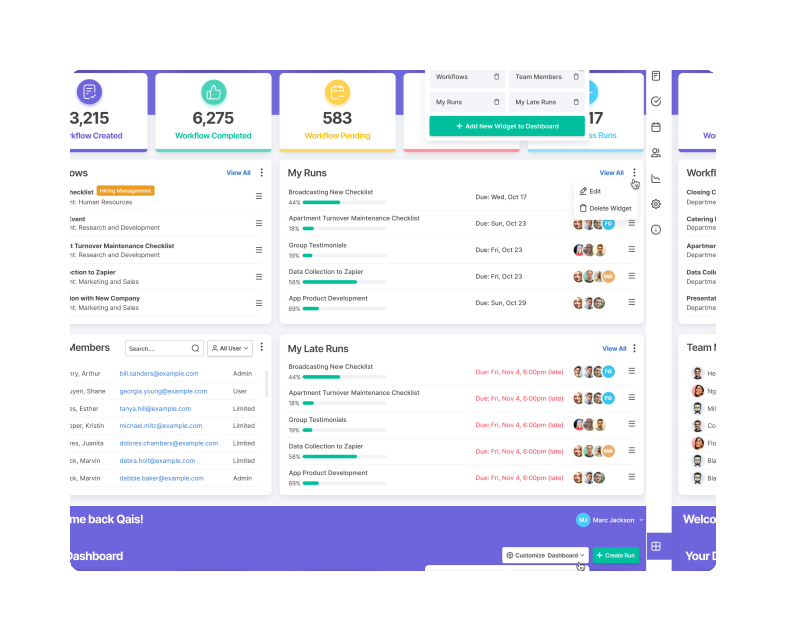
Manifestly offers a range of features designed to boost your productivity, such as Workflow Automations and Customizable Dashboards, which help you maintain focus on your most critical tasks. Our platform also supports integration with other tools you may already be using, ensuring that your workflow remains seamless and uninterrupted. For more on how Manifestly can integrate with your existing systems, explore our integration options.
Moreover, the flexibility of Manifestly Checklists means that you can adapt your RPM framework to suit both professional and personal objectives. By accessing our personal productivity templates, you can see firsthand how RPM can be customized to meet your specific needs, ensuring that your planning process is both efficient and effective.
Related Blog Posts
Further Reading on Productivity and Planning
To deepen your understanding of effective time management strategies, consider exploring the Hubstaff's blog on RPM, which offers detailed insights into this transformative planning method. Additionally, the Guide to the Rapid Planning Method on Routine's blog provides a comprehensive overview that can help you harness the full potential of RPM for your daily productivity.
For those interested in advanced planning techniques, the RPM template on Notion offers practical tools to streamline your planning process. You can also explore Goals and Progress for tips on aligning your goals with actionable steps to achieve them efficiently.
Moreover, if you're looking to integrate RPM with digital tools, the Rapid Method Planning Document is a valuable resource that can help you keep your plans organized and actionable. For a variety of templates and resources tailored to personal productivity, you can visit Manifestly's personal productivity templates.
Lastly, for insights into boosting productivity through standard operating procedures, check out 7 Best SOP Software Solutions to Skyrocket Productivity in 2025 from the Manifestly Checklists blog.